

Learning Beyond the Classroom: How Habari Wi-Fi is Supporting Public Education
Every year, National Support Public Education Day recognizes the role public education plays in shaping future generations. It is also an opportunity to reflect on the different ways governments, organizations, and communities can support learning beyond the classroom.
Education today is no longer limited to textbooks and examinations. Learners need digital skills, critical thinking, communication skills and practical exposure that prepare them for an increasingly technology-driven world. Supporting public education therefore means creating opportunities that help young people develop these skills both inside and outside the classroom.
Technology plays an important role in making that possible.
Reliable internet gives learners access to educational resources, research materials, and digital learning platforms. At the same time, exposure to real working environments and opportunities to develop leadership and communication skills help bridge the gap between classroom learning and the world of work.
This is where Habari is making a difference.
As one of the leading Internet Service Provider companies in Tanzania, Habari is committed to using connectivity and digital solutions to create opportunities for young people to learn, grow and prepare for the future.
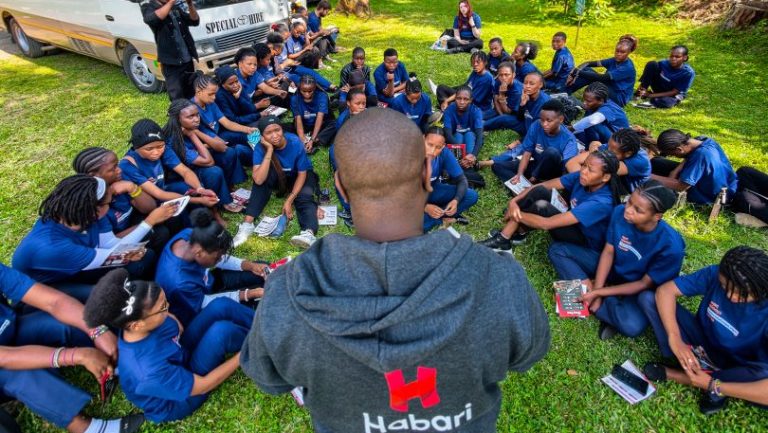
Earlier this year, the company welcomed students from the Success Hands TanzaniaInitiative’s TechMafunzo programme to its offices, giving them an opportunity to experience how technology is applied in the workplace.
The students interacted with professionals from different departments, learned how internet services, cloud solutions, website development and other digital technologies support organizations, and explored the wide range of career opportunities available in the ICT sector.
For some of the students, it was their first visit to a technology company, providing valuable insight into how the digital skills they are learning in school can be applied in real-life careers.
Habari is creating opportunities for young people beyond digital upskilling.
Through its partnership with the Tanzania National Debate Society (TANDS), the company sponsored the Public Speaking Awards during the Tanzania National Debate Championship 2026, helping recognize students who demonstrate excellence in communication, leadership and critical thinking.
These skills are increasingly important in today’s world, where success depends not only on academic achievement but also on the ability to communicate ideas, solve problems, and collaborate effectively.
Speaking on Habari’s commitment to education development, General Manager Tanzania and Chief Technology and Information Officer Simon Lee said:
“We believe meaningful connectivity goes beyond providing internet access. It is about opening opportunities for students to learn, grow, collaborate, and unlock their potential. Platforms such as the Tanzania National Debate Championship help young people build the confidence and communication skills needed to become future leaders, innovators, and changemakers.”
His remarks reflect Habari’s broader approach to supporting education. Reliable connectivity creates access to information, while initiatives such as TechMafunzo and the Tanzania National Debate Championship help learners build the practical skills and confidence they need to succeed beyond school.
As the world marks National Support Public Education Day, it is worth remembering that supporting education extends beyond providing classrooms and learning materials. It also means investing in opportunities that prepare learners for the future.
Through meaningful connectivity, digital exposure, and partnerships that empower young people, Habari continues to play its part in supporting public education and helping the next generation realize its full potential.
To learn more about Habari’s commitment to connectivity and digital equity, visit Habari.